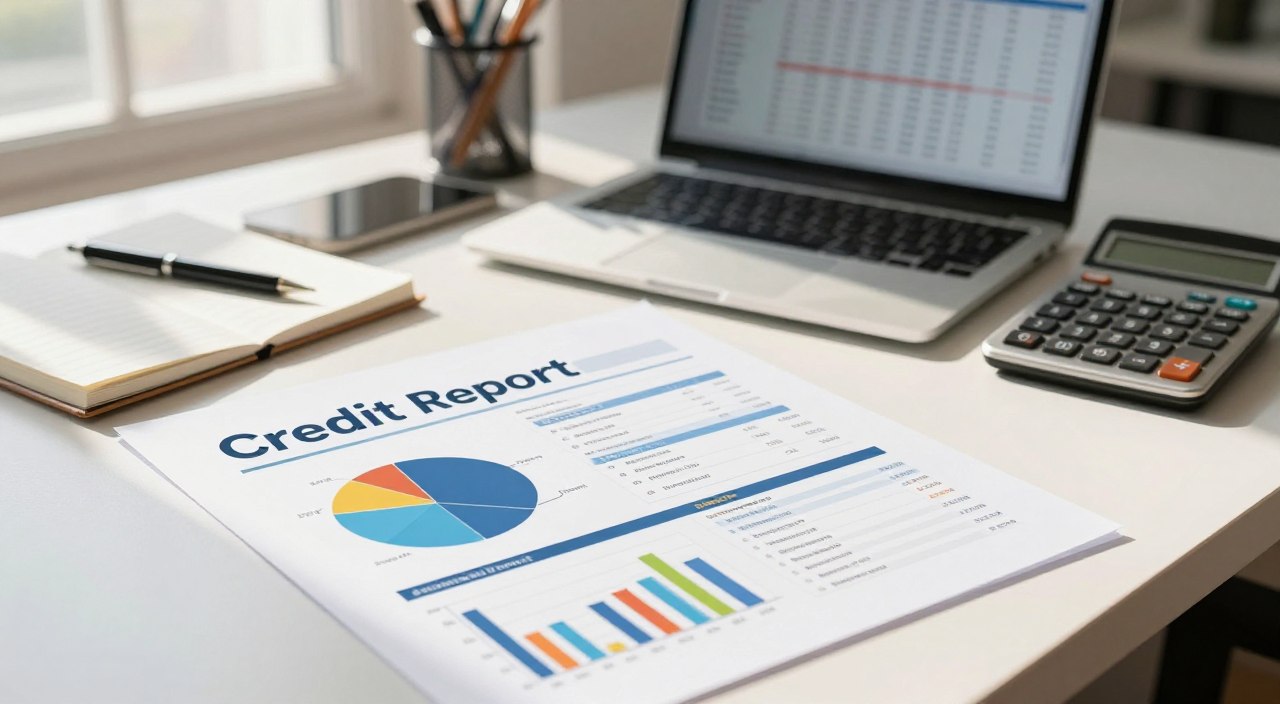
What Is a Credit Report and why does it matter for your financial future? A credit report is a detailed summary of your borrowing history, payment behavior, and overall credit activity. Lenders use it to decide whether to approve your loan, credit card, or mortgage application. In this beginner-friendly guide, you’ll discover how credit reports work, what information they include, and how credit bureaus like Equifax, Experian, and TransUnion track your financial data. Learn how to check your credit report, fix errors, and improve your credit score to qualify for better interest rates in 2026.
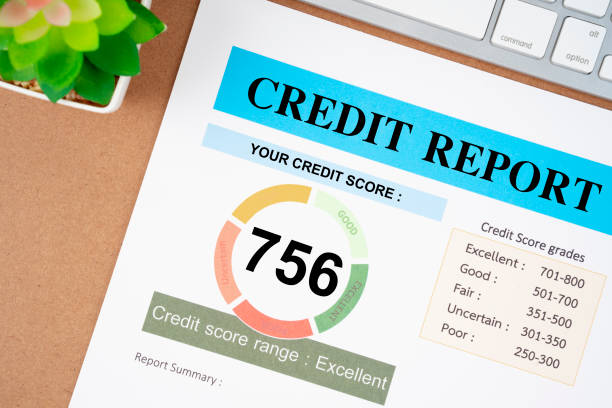
For beginners, it’s essential to grasp the concept of a credit report and its significance. It provides lenders with a snapshot of your creditworthiness, helping them decide whether to approve you for loans or credit cards.
A clear understanding of your credit report can also help you identify errors or areas for improvement, enabling you to maintain a healthy credit score.
Key Takeaways
- A credit report is a record of your credit history.
- It helps lenders assess your creditworthiness.
- Understanding your credit report is crucial for maintaining a good credit score.
- You can improve your credit score by correcting errors on your credit report.
- A healthy credit score can lead to better loan and credit card terms.
Understanding Credit Reports: The Basics
A credit report is a detailed document that outlines your credit history, playing a vital role in your financial life. It contains information about your credit accounts, payment history, and other financial data that helps lenders assess your creditworthiness.
Definition and Purpose of Credit Reports
A credit report is essentially a record of your credit activities, including the types of credit you’ve used, your payment history, and any outstanding debts. The primary purpose of a credit report is to provide lenders with a comprehensive overview of your credit behavior, enabling them to make informed decisions about lending.
The information in your credit report is used to determine your creditworthiness, which is crucial when applying for loans, credit cards, or other forms of credit. Lenders use this information to evaluate the risk of lending to you, helping them decide whether to approve your application and at what interest rate.

The Role of Credit Reports in Your Financial Life
Credit reports play a significant role in your financial life, influencing your ability to secure credit, loans, and even apartments. A good credit report can open doors to better financial opportunities, such as lower interest rates on loans and credit cards, while a poor credit report can limit your access to credit.
Moreover, credit reports are not just used by lenders; they can also be accessed by employers, landlords, and insurance companies to assess your financial reliability. Therefore, it’s essential to understand the information contained in your credit report and ensure its accuracy.
By maintaining a healthy credit report, you can improve your financial standing and increase your access to credit at favorable terms. Regularly reviewing your credit report is a crucial step in managing your financial health.
What Is a Credit Report and Who Creates Them?
The three major credit bureaus – Equifax, Experian, and TransUnion – are responsible for creating credit reports. These reports are comprehensive documents that detail an individual’s credit history, including their borrowing and repayment activities.
Credit reports are crucial for determining an individual’s creditworthiness. Lenders, creditors, and other financial institutions rely on these reports to assess the risk of lending to an individual.
The Three Major Credit Bureaus: Equifax, Experian, and TransUnion
The three major credit bureaus play a vital role in the credit reporting process. They collect data from various sources, including banks, credit card companies, and public records.
- Equifax is one of the largest credit bureaus, providing credit reports and scores to consumers and businesses.
- Experian offers a range of credit reporting services, including credit monitoring and identity theft protection.
- TransUnion provides credit reports, scores, and other credit-related services to help consumers manage their credit.
According to a
“A credit report is a record of your credit history, and it’s used by lenders to determine your creditworthiness.”
This highlights the importance of accurate credit reporting.
How Information Gets Collected and Reported
Credit bureaus collect information from a variety of sources, including:
| Source | Type of Information |
|---|---|
| Banks and Credit Card Companies | Account information, payment history |
| Public Records | Bankruptcies, foreclosures, tax liens |
| Collection Agencies | Debt collection information |
The collected information is then compiled into a credit report, which is used to evaluate an individual’s creditworthiness.

Understanding how credit reports are created and who creates them is essential for managing your credit effectively.
Key Components of Your Credit Report
Your credit report is made up of several key components that lenders use to assess your creditworthiness. Understanding these components is essential for managing your financial health effectively.
Personal Information Section
The personal information section of your credit report includes details such as your name, address, date of birth, and Social Security number. This section is used to identify you and ensure that your credit information is accurately associated with your identity. It’s crucial to review this section carefully to ensure there are no errors or unfamiliar information.
Credit Account History
Your credit account history is a comprehensive record of your credit accounts, including credit cards, loans, and other debt obligations. This section details the type of account, the date it was opened, the credit limit or loan amount, and your payment history. Lenders use this information to evaluate your credit management habits and determine your creditworthiness.

Public Records and Collections
Public records and collections include information about bankruptcies, foreclosures, tax liens, and other legal actions related to your credit. These records can significantly impact your credit score and are typically retained on your report for several years. Understanding what’s included in this section can help you address any negative marks.
Credit Inquiries
Credit inquiries occur when a lender or creditor checks your credit report, usually as a result of your application for credit. There are two types of inquiries: hard inquiries, which can affect your credit score, and soft inquiries, which do not. Monitoring the inquiries on your report can help you detect any unauthorized access to your credit information.
By understanding the key components of your credit report, you can better manage your credit and make informed decisions about your financial future.
Credit Scores: The Numerical Representation of Your Report
Understanding your credit score is crucial for managing your financial health. A credit score is a three-digit number that lenders use to determine your creditworthiness. It is based on the information in your credit reports, which is why it’s essential to understand how credit scores are calculated and what they signify.
FICO Score vs. VantageScore
There are two main types of credit scores: FICO Score and VantageScore. FICO Score is the most widely used credit score, developed by Fair Isaac Corporation. It ranges from 300 to 850 and is used by 90% of lenders. VantageScore, on the other hand, was developed by the three major credit bureaus: Equifax, Experian, and TransUnion. While both scores aim to measure creditworthiness, they use different algorithms and scoring models.

The Five Factors That Determine Your Credit Score
Credit scores are determined by five key factors:
- Payment History (35%): Your payment history has the most significant impact on your credit score. Late payments can negatively affect your score.
- Credit Utilization (30%): Keeping your credit utilization ratio low is crucial. It’s recommended to use less than 30% of your available credit.
- Length of Credit History (15%): A longer credit history can positively affect your score.
- Credit Mix (10%): Having a mix of different credit types, such as credit cards and loans, can help improve your score.
- New Credit (10%): Opening too many new credit accounts in a short period can negatively affect your score.
Score Ranges and What They Mean
Credit scores range from 300 to 850. Here’s what the different score ranges mean:
| Score Range | Creditworthiness |
|---|---|
| 300-579 | Poor |
| 580-669 | Fair |
| 670-739 | Good |
| 740-799 | Very Good |
| 800-850 | Excellent |
Understanding your credit score and the factors that influence it can help you make informed decisions about your financial health.
How Lenders and Companies Use Your Credit Report
Your credit report plays a crucial role in various financial and non-financial transactions, influencing lenders’ and companies’ decisions. It serves as a comprehensive overview of your financial history, providing insights into your creditworthiness and financial behavior.
Loan and Credit Card Approval Decisions
Lenders use your credit report to assess the risk of lending to you. A good credit history can increase your chances of getting approved for loans and credit cards. For instance, a recent study found that individuals with excellent credit scores are 70% more likely to be approved for credit cards than those with poor credit scores.
Interest Rate Determinations
Your credit report also influences the interest rates you’re offered on loans and credit cards. A higher credit score can lead to lower interest rates, saving you money over the life of the loan. As Forbes notes, “A good credit score can save you thousands of dollars in interest payments.”
Employment and Housing Applications
Some employers and landlords use credit reports as part of their evaluation process. A poor credit history might affect your chances of getting hired or securing a rental property. According to a survey, 1 in 5 employers check credit reports during the hiring process.
Insurance Premium Calculations
Insurance companies may use credit reports to determine premiums for auto and home insurance. Research has shown that individuals with better credit scores tend to file fewer insurance claims, leading to lower premiums for them.
In conclusion, your credit report is a vital document that affects many aspects of your financial and personal life. Understanding how lenders and companies use your credit report can help you manage your financial health more effectively.
Accessing Your Credit Reports
Knowing how to obtain your credit reports can help you detect errors and improve your creditworthiness. Accessing these reports is not only a right but also a crucial step in managing your financial health.
Your Legal Right to Free Annual Reports
Under the Fair Credit Reporting Act (FCRA), you are entitled to a free copy of your credit report from each of the three major credit bureaus (Equifax, Experian, and TransUnion) once every 12 months. This entitlement allows you to review your reports for inaccuracies or signs of identity theft.
How to Request Reports from Each Bureau
To request your free annual credit reports, you can visit the official website AnnualCreditReport.com. You can also request your reports by calling 1-877-322-8228 or by mailing a request to Annual Credit Report Request Service, P.O. Box 105281, Atlanta, GA 30348-5281.
| Bureau | Contact Information |
|---|---|
| Equifax | 1-800-685-5000, www.equifax.com |
| Experian | 1-866-200-6020, www.experian.com |
| TransUnion | 1-800-916-8800, www.transunion.com |
Credit Monitoring Services: Pros and Cons
Credit monitoring services can provide ongoing surveillance of your credit reports, alerting you to changes or potential fraud. However, these services often come with a fee. Weighing the pros and cons is essential to decide if such a service is right for you.
Pros: Early detection of identity theft, continuous monitoring of your credit reports, and alerts for new inquiries or accounts.
Cons: Monthly or annual fees, potential for false alerts, and the possibility of being prompted to purchase additional services.
How to Read and Interpret Your Credit Report
Your credit report is a detailed record of your credit history, and learning to interpret it is key to making informed financial decisions. To effectively manage your financial health, it’s essential to understand the various components of your credit report.
Navigating the Different Sections
A typical credit report is divided into several sections, including personal information, credit account history, public records, and credit inquiries. Start by verifying that your personal information is accurate and up-to-date. This section includes your name, address, date of birth, and Social Security number.
The credit account history section lists your current and past credit accounts, including the type of account, date opened, credit limit, and payment history. Look for any accounts that you don’t recognize or that contain incorrect information.
Understanding Codes and Abbreviations
Credit reports often use codes and abbreviations to convey information concisely. For example, the status of your accounts might be represented by codes such as “current,” “late,” or “closed.” Familiarize yourself with these codes to understand the status of your accounts.
- Account Status: Current, Late, Closed
- Payment History: On-time, Late payments
Red Flags to Watch For
When reviewing your credit report, be on the lookout for red flags such as:
- Incorrect personal information
- Accounts that don’t belong to you
- Late payments that you know were made on time
- Unrecognized credit inquiries
Identifying these issues early allows you to dispute them and potentially improve your credit score.
By understanding how to read and interpret your credit report, you can take control of your financial health and make informed decisions about your credit.
Your Rights and Protections Under the Law
The law provides you with significant rights and protections concerning your credit report, which is essential to understand. Your credit report is a critical document that can significantly impact your financial opportunities and stability.
The Fair Credit Reporting Act (FCRA)
The Fair Credit Reporting Act (FCRA) is a federal law that regulates the collection, dissemination, and use of consumer credit information. Under the FCRA, you have the right to:
- Access your credit report
- Dispute inaccurate information
- Have outdated information removed
Identity Theft Protections
Identity theft is a growing concern, and the law provides specific protections for victims. If you’re a victim of identity theft, you can:
- Place a fraud alert on your credit report
- Request a credit freeze
- Dispute fraudulent accounts
Dealing with Debt Collectors and Your Credit Report
When dealing with debt collectors, it’s essential to understand how they can impact your credit report. Debt collectors can report delinquent accounts to the credit bureaus, which can negatively affect your credit score.
| Debt Collector Action | Impact on Credit Report |
|---|---|
| Reporting a delinquent account | Negative mark on your credit report |
| Verifying debt information | Ensures accuracy on your credit report |
| Removing a reported debt | Improves your credit report if the debt was incorrect |
Understanding your rights under the law can help you navigate issues with debt collectors and protect your credit report. By being informed, you can take control of your financial health and ensure that your credit report accurately reflects your credit history.
Improving Your Credit Report and Score
Boosting your credit score is a strategic move towards achieving financial stability. A good credit score can make a significant difference in your ability to secure loans at favorable interest rates.
Establishing Credit for the First Time
For those new to credit, establishing a credit history can seem daunting. However, it’s relatively straightforward. You can start by applying for a secured credit card or becoming an authorized user on someone else’s credit account. Making regular payments on time is crucial.
Strategies to Improve Your Credit Report
Several strategies can help improve your credit report. These include:
- Making timely payments
- Keeping credit utilization below 30%
- Monitoring your credit report for errors
- Avoiding new credit inquiries
Timeline for Credit Report Changes
Changes to your credit report don’t happen overnight. It can take several months to a few years to see significant improvements. Consistency in your credit behavior is key.
Dealing with Negative Information
If your credit report contains negative information, there are steps you can take. You can dispute errors, work on paying off debts, and consider a goodwill letter to remove negative marks. Patience and persistence are vital.
Conclusion: Taking Control of Your Credit Future
Understanding what is a credit report and its definition is crucial for managing your financial health. By grasping the basics of credit reports and scores, you can take control of your credit future.
Regularly reviewing your credit report and score enables you to identify errors, detect potential identity theft, and make informed decisions about your financial life. By following the strategies outlined in this article, you can improve your credit score and enhance your overall financial well-being.
Empowered with the knowledge of understanding credit reports, you can now take proactive steps to maintain a healthy credit profile, ensuring better loan terms, lower interest rates, and a stronger financial foundation.