Establishing a strong credit history is crucial for financial health, but not everyone has a credit card. Fortunately, there are alternative ways to demonstrate creditworthiness.
You can start by exploring other methods to show lenders you’re reliable. This includes making timely payments on other debts and using other credit-building strategies.
By following these credit building tips, you can improve your financial standing and increase your chances of getting approved for loans and other credit products.
Key Takeaways
- Alternative methods can help establish credit history.
- Timely payments on debts can demonstrate creditworthiness.
- Credit building strategies can improve financial standing.
- You don’t need a credit card to build credit.
- Other credit products can help you establish a strong credit history.
- Build Credit Without a Credit Card?
Understanding Credit Scores and Why They Matter
Understanding your credit score is essential for navigating today’s financial landscape. A good credit score can significantly impact your ability to secure loans, credit cards, and even affect the interest rates you’re offered.
The Five Components of a FICO Score
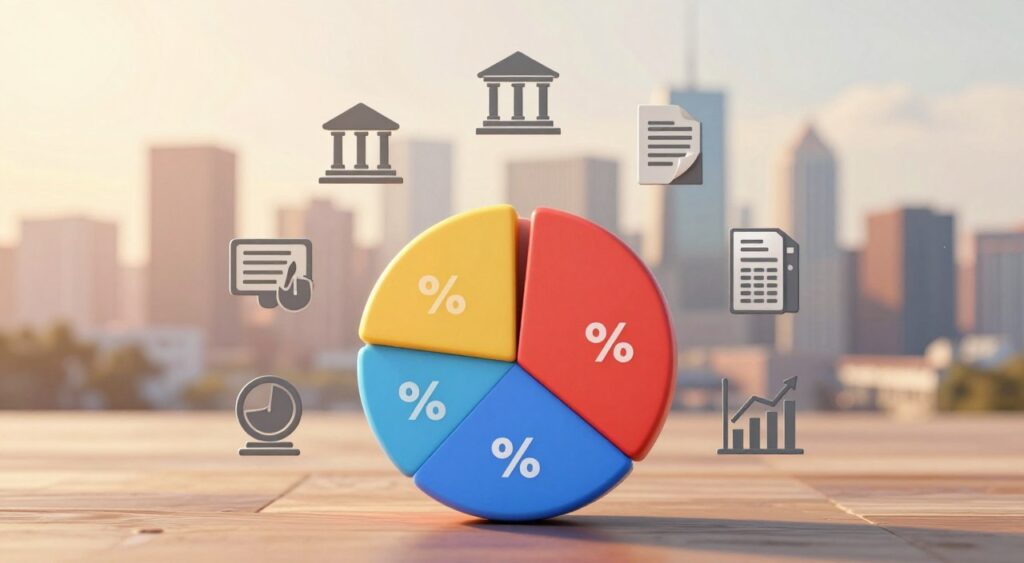
A FICO score is calculated based on five key components: payment history (35%), credit utilization (30%), length of credit history (15%), credit mix (10%), and new credit (10%). Improving your credit score involves focusing on these areas, particularly maintaining a good payment history and keeping credit utilization low.
How Credit Impacts Your Financial Future
Your credit score has far-reaching implications beyond just loan approvals. It influences various aspects of your financial life.
Employment Opportunities
Some employers use credit scores as part of their hiring process, especially for positions that involve financial responsibilities.
Housing Applications
Landlords often check credit scores to assess the risk of renting to an applicant. A good score can make it easier to secure a rental property.
Insurance Rates
Insurance companies may use credit scores to determine premiums, with better scores potentially leading to lower rates.
By understanding and improving your credit score, you can enhance your financial opportunities and save money through lower interest rates and insurance premiums. Implementing alternative credit building methods and focusing on credit building strategies can significantly improve your financial health.
The Challenge of Building Credit Without Traditional Methods
Building credit without traditional methods can be a daunting task for many individuals. The conventional path to establishing a good credit score often involves using credit cards, but what if you’re not comfortable with credit card debt or prefer not to use credit cards at all?
The Credit Catch-22: Needing Credit to Build Credit
One of the significant challenges in building credit without traditional methods is the catch-22 situation many people face: you need credit to build credit. This paradox makes it difficult for those with no credit history or a limited credit history to get started. Credit builder loans and other alternative methods can help mitigate this issue.

Common Misconceptions About Credit Building
There are several misconceptions about building credit that can deter people from taking the right steps. For instance, some believe that you need to have a credit card to build credit, which isn’t true. Others think that checking their credit score will negatively impact their credit, which is also a misconception. Understanding these myths is crucial for making informed decisions about credit building.
Why Some People Choose to Avoid Credit Cards
Some individuals prefer to avoid credit cards due to the risk of accumulating debt or because they simply don’t need the credit. For these people, alternative credit-building methods are particularly valuable. They can build credit without the risk associated with credit card usage.
Can You Build Credit Without a Credit Card?
Many individuals wonder if it’s possible to establish a good credit score without relying on credit cards. The answer lies in understanding the various credit-building methods available.
The Short Answer: Yes, It’s Possible
Building credit without a credit card is achievable through alternative financial tools and practices. Credit builder loans and secured loans are viable options that help establish or improve your credit score.
Comparing Traditional vs. Alternative Credit-Building Methods
Traditional credit-building methods often involve credit cards, but alternative methods can be just as effective. Here’s a comparison:
| Method | Description | Impact on Credit Score |
|---|---|---|
| Credit Cards | Revolving credit that requires regular payments | High impact if managed well |
| Credit Builder Loans | Loans specifically designed for building credit | Positive impact with regular payments |
| Secured Loans | Loans backed by collateral, such as savings or assets | Positive impact, lower risk for lenders |
As shown in the table, alternative methods like credit builder loans and secured loans offer effective ways to build credit without a credit card.
Setting Realistic Expectations for Timeline
Building credit takes time, regardless of the method. It’s essential to set realistic expectations and understand that credit score improvements are gradual. Patience and consistent financial habits are key to achieving a good credit score.

By exploring alternative credit-building methods and maintaining good financial practices, you can establish a strong credit foundation without relying on credit cards.
Credit Builder Loans: A Powerful Alternative
Credit builder loans have emerged as a powerful tool for those seeking to establish or improve their credit score. Unlike traditional credit products, these loans are designed specifically for building credit.
How Credit Builder Loans Work
Credit builder loans function differently from standard loans. Instead of receiving the loan amount upfront, borrowers make regular payments to a lender, who holds the funds in a savings account or certificate of deposit until the loan is fully repaid. Upon completion of the loan term, the borrower receives the accumulated funds, minus any fees. This structure allows lenders to report positive payment history to the credit bureaus, helping borrowers build credit.
Where to Find Credit Builder Loans
Credit builder loans are offered by various financial institutions. Borrowers can explore options at:
Community Banks and Credit Unions
Local community banks and credit unions often provide credit builder loans with favorable terms. These institutions may offer more personalized service and be more willing to work with individuals who have limited credit history.
Online Lenders
Several online lenders specialize in credit builder loans, offering a convenient application process and competitive rates. Borrowers should research and compare offers to find the best fit for their needs.
Typical Costs and Terms
Credit builder loans vary in terms of costs and repayment periods. Here’s a comparison of typical loan terms:
| Lender Type | Loan Amount | Interest Rate | Repayment Term |
|---|---|---|---|
| Community Banks | $500-$1,000 | 6%-12% | 12-24 months |
| Credit Unions | $500-$2,000 | 5%-10% | 12-36 months |
| Online Lenders | $300-$1,500 | 8%-18% | 6-24 months |
When selecting a credit builder loan, it’s essential to review the terms carefully, considering factors such as interest rates, fees, and repayment periods. Borrowers should also check if the lender reports payments to all three major credit bureaus.
Reporting Rent and Utility Payments to Credit Bureaus
Rent and utility payments are increasingly being recognized as a means to build credit, offering an alternative to traditional credit card methods. This approach can be particularly beneficial for individuals who are new to credit or have struggled with credit card debt in the past.
Rent Reporting Services and How They Work
Rent reporting services have emerged as a valuable tool for tenants to build credit by reporting their rental payments to credit bureaus. These services act as intermediaries between landlords and credit reporting agencies, ensuring that regular rent payments are documented and considered in credit scoring models.
Popular Rent Reporting Companies
- Experian RentBureau: One of the largest rent reporting services, covering a vast number of rental properties.
- CreditRental: Offers rent reporting services that can help improve credit scores.
- RentTrack: Allows tenants to report their rent payments and potentially boost their credit scores.
Costs and Setup Process
The costs associated with rent reporting services can vary, with some services charging a one-time fee, while others may charge monthly or annually. The setup process typically involves verifying the tenant’s rental payments and may require landlord participation.
Utility and Phone Bill Reporting Options
In addition to rent, some credit reporting services now allow for the inclusion of utility and phone bill payments. This can provide a more comprehensive view of an individual’s creditworthiness, as it includes a broader range of regular payments.
The Impact on Your Credit Score Over Time
Reporting rent and utility payments can positively impact your credit score over time, as it demonstrates a history of regular payments. This can be particularly beneficial for those who are just starting to build credit or are looking to improve their credit profile without relying on credit cards.
By incorporating these alternative payment reporting methods, individuals can work towards a stronger credit profile, enhancing their financial flexibility and opportunities.
Becoming an Authorized User on Someone Else’s Account
One effective credit building tip is to become an authorized user on someone else’s credit card account. This method allows you to benefit from the primary account holder’s good credit habits, potentially boosting your credit score.
How Authorized User Status Affects Your Credit
When you become an authorized user, the primary account holder’s credit activity is typically reported on your credit report as well. This means that if they have a history of on-time payments and low credit utilization, it can positively impact your credit score. However, if they miss payments or accumulate high balances, it could negatively affect your credit.
Choosing the Right Primary Account Holder
Selecting the right primary account holder is crucial. Look for someone with a long history of responsible credit behavior, such as making payments on time and keeping credit utilization low. It’s also essential to have a trusted relationship with this person, as their financial actions will impact your credit.
Potential Risks and How to Mitigate Them
While being an authorized user can be beneficial, there are risks involved. For instance, if the primary account holder defaults on payments, it could harm your credit score. To mitigate these risks, maintain open communication with the primary account holder and monitor the account activity regularly.
Having the Financial Responsibility Conversation
Before becoming an authorized user, have a thorough conversation with the primary account holder about financial responsibilities. Discuss how you will both monitor the account and ensure that payments are made on time. This conversation is key to avoiding potential pitfalls and making the most of this credit-building strategy.
By understanding the implications and benefits, you can effectively use this method to establish credit without a credit card and work towards credit score improvement.
Secured Loans and Their Role in Credit Building
Building credit without a credit card is possible, and one effective method is through the use of secured loans. Secured loans require collateral, which can be an asset like a car or savings account, to secure the loan. This type of loan is less risky for lenders, making it more accessible to individuals with poor or no credit history.
Secured Personal Loans
Secured personal loans are a type of loan where you use an asset as collateral. For example, you can use a savings account or a certificate of deposit (CD) as collateral for a personal loan. This method allows you to borrow money while building credit, as long as you make your loan payments on time.
Auto Loans as Credit Builders
Auto loans are another form of secured loan that can help build credit. When you purchase a vehicle, the car itself serves as collateral for the loan. Making regular payments on your auto loan can significantly improve your credit score over time.
Using Existing Assets as Collateral
Using existing assets as collateral for a loan is a smart way to build credit. It not only helps in getting approved for a loan but also in making regular payments, which are reported to credit bureaus. Common assets used as collateral include savings accounts, CDs, and even investments.
Comparing Interest Rates and Terms
When considering a secured loan, it’s crucial to compare interest rates and terms from different lenders. Here’s a comparison table to help you understand the potential differences:
| Lender | Interest Rate | Loan Term | Collateral Requirements |
|---|---|---|---|
| Bank A | 6% | 36 months | Savings Account |
| Credit Union B | 5.5% | 48 months | CD or Investments |
| Online Lender C | 7% | 60 months | Vehicle or Other Assets |
By understanding the terms and conditions of secured loans, you can make informed decisions about your credit-building strategy. Always compare rates and terms to find the best option for your financial situation.
Alternative Ways to Build Credit Without a Credit Card
Building credit without a credit card is not only possible but also increasingly accessible through various alternative methods. As financial landscapes evolve, individuals are discovering new paths to establish and improve their credit scores.
Peer-to-Peer Lending Platforms
Peer-to-peer lending platforms have emerged as a viable option for building credit. These platforms connect borrowers directly with investors, bypassing traditional financial institutions. By making timely repayments on P2P loans, individuals can demonstrate their creditworthiness and potentially boost their credit scores.
Retail and Store Financing Options
Many retailers offer financing options for purchases, which can be another avenue for building credit. By opting for store financing and making regular payments, consumers can show lenders they are capable of managing credit responsibly.
Student Loans and Credit Building
For students, taking out a federal or private student loan can be a significant step in building credit. Making consistent, on-time payments on these loans demonstrates financial responsibility and can positively impact credit scores over time.
Small Business Loans for Entrepreneurs
Entrepreneurs can also build credit by securing small business loans. By managing these loans effectively, business owners can establish a strong credit profile, which can be beneficial for both personal and business financial health.
| Credit Building Method | Key Benefits | Potential Drawbacks |
|---|---|---|
| Peer-to-Peer Lending | Direct connection between borrowers and investors; potentially lower interest rates | Risk of higher interest rates for riskier borrowers; platform fees |
| Retail Financing | Ease of application; promotional financing options | High interest rates if promotional periods end; potential for overspending |
| Student Loans | Essential for education funding; potential for deferred payments | Accumulating debt; potential for high interest over time |
| Small Business Loans | Capital for business growth; potential for tax benefits | Risk of business debt; stringent qualification requirements |
By exploring these alternative credit-building strategies, individuals can work towards establishing a strong credit history without relying on credit cards. It’s essential to carefully evaluate the terms and conditions of each option to make informed financial decisions.
Digital Tools and Apps for Non-Traditional Credit Building
With the rise of fintech, individuals can now build credit using non-traditional methods and digital platforms. This shift has opened up new avenues for those who struggle to obtain or prefer not to use traditional credit cards.
Credit Monitoring Services
Credit monitoring services are essential for tracking your credit score and report. They often provide tools and insights that help you understand how to improve your credit health. Many of these services are free or low-cost, making them accessible to a wide range of consumers.
Fintech Solutions for Credit Building
Fintech companies have developed innovative solutions to help build credit. Some notable examples include:
Experian Boost
Experian Boost allows users to link their bank accounts and get credit for paying bills like utility and telecom bills. This can potentially boost your credit score quickly.
Self Financial
Self Financial offers a credit builder loan that helps you build credit while saving money. It’s a unique product that combines a loan with a savings account.
Kikoff and Other Credit-Building Apps
Kikoff is another app that helps build credit by reporting payments to the credit bureaus. There are several other apps that offer similar services, providing a range of options for consumers.
Automated Savings and Payment Programs
Automating your savings and payments can significantly impact your credit score. By setting up automatic payments for loans and bills, you ensure timely payments, which are crucial for credit building. Many fintech apps offer automated savings features that can help you build a positive credit history.
By leveraging these digital tools and apps, individuals can effectively build and improve their credit scores without relying on traditional credit cards. It’s a more inclusive approach to credit building, catering to a broader range of financial situations and preferences.
Conclusion: Your Path to Credit Success Without Plastic
Building credit without a credit card is achievable through various alternative methods. By understanding your options and choosing the right path for your financial situation, you can establish a strong credit history and improve your credit score.
Credit builder loans, rent and utility payment reporting, and becoming an authorized user are just a few strategies available to help you build credit without a traditional credit card. Digital tools and apps can also aid in your credit-building journey, providing monitoring services and automated payment programs.
To start building credit without a credit card, consider your financial goals and select the method that best aligns with your needs. By following and maintaining a consistent payment history, you can establish a positive credit history and enhance your financial future.
Take the first step towards credit success by exploring the alternative credit-building methods discussed in this article. With patience and persistence, you can build credit without a credit card and achieve your financial objectives.